In Japan, both “working hard” and “hard-working” carry significant cultural weight, reflecting traditional values of diligence, perseverance, and collective effort. They are rooted in Japan’s work ethic, which emphasizes dedication to one’s role and contribution to the group. What do you know about them? It is important to know the differences to achieving better performance in our work.
Working hard describes the action of putting in significant effort and dedication into a task or job. It’s more about what someone is doing in the moment. Working hard could just physically making efforts with continuous sacrifice.
- Example: “She is working hard to meet the deadline.”
Hard-working is an adjective used to describe a person’s general trait or character. It refers to someone who consistently puts in effort and is diligent over time.
- Example: “He is a hard-working employee.” Hardworking means putting in extra efforts an thinking to try out many things when faced difficulties and challenges.
So, “working hard” refers mainly to the action, while “hard-working” describes a person’s overall nature or work ethic.
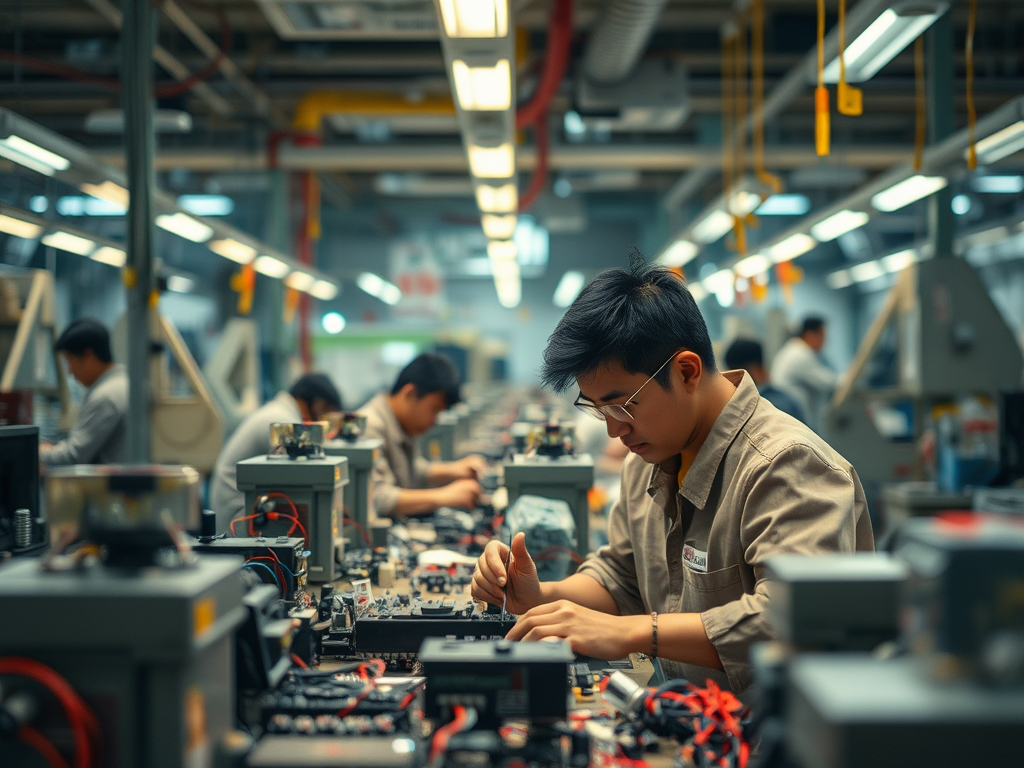
1. Characteristics of “Hard-working” (努力家 – Doryokuka)
Being hard-working or ‘Doryoku’ meaning putting strength is often seen as a core virtue in Japanese society. It aligns with cultural values such as perseverance (根性 – konjō) and long-term dedication. Some of the key characteristics are:
- Dedication and Long-term Focus: Japanese employees are known for their loyalty to their companies, often staying with one employer for the majority of their careers. Being hard-working in this sense means a sustained commitment to the company’s goals and values, even over decades.
- Attention to Detail (慎重 – Shinchō): Hard-working individuals in Japan pay careful attention to even the smallest details. In industries like engineering or manufacturing, precision is key, and a diligent, methodical approach is highly valued.
- Continuous Improvement (改善 – Kaizen): The concept of “kaizen” is embedded in the hard-working ethic of Japanese workers. It reflects a commitment to ongoing improvement, constantly seeking to refine processes and enhance efficiency.
- Perseverance and Endurance (我慢 – Gaman): Hard-working individuals in Japan are expected to endure hardship without complaint, showing patience and persistence, especially in overcoming obstacles. This quality aligns with the idea of “gaman,” enduring difficulties with resilience and emotional control.
- Collective Responsibility: In Japan, being hard-working often means thinking about the success of the team or company as a whole rather than individual gain. A hard-working individual will prioritize the group’s success over personal rewards, aligning with the value of group harmony (和 – Wa).
Hard working demands trying out and finding out the different ways to achieve the end results. Trial and error or “yatte mite” thinking is one way of trying to find solutions of a problem. If one method does not work, then one needs to find another way, another material, another tool or man other possibilities to get the problem solved. It needs a lot of effort. Therefore, the demand for perseverance and patience is utmost important.
2. Characteristics of “Working Hard” (頭張る – Ganbaru)
Ganbaru, meaning to strive or do one’s best, is a key concept when describing the action of working hard in Japanese culture.
- Focused Effort on Immediate Tasks: “Working hard” in the Japanese context often means focusing intensely on a specific task or project to achieve perfection. It involves dedicating one’s full attention and effort to the work at hand, especially during key moments such as project deadlines or product launches.
- High Intensity in Critical Phases: The Japanese work ethic often includes pushing oneself beyond typical limits, especially during peak periods. This might manifest in working long hours or during overtime (残業 – Zangyō) to meet tight deadlines or ensure that quality standards are met.
- Commitment to Quality: “Working hard” in Japan often emphasizes the pursuit of high-quality output. Whether it is designing an electronic product or assembling a mechanical component, the focus is on achieving the highest standards, with individuals pouring extra effort into refining the product.
- Self-sacrifice: An individual working hard in Japan is often expected to put the needs of the project or company above their personal life.
- Ganbatte Spirit (がんばって): This term is often used as encouragement in Japan, meaning “do your best” or “hang in there.” It embodies the spirit of perseverance during difficult tasks.
Cultural Reflection in Japanese Companies
- Hard-working: In industries such as electronics and engineering, Japanese companies highly value workers who are hard-working, consistently contributing to innovation and product quality over the long term.
- Working Hard: At critical points in product design, teams are expected to work extremely hard, pushing through long hours to meet high standards of innovation and reliability.
Key Takeaways
- Hard-working (doryokuka) reflects a long-term, sustained work ethic characterized by loyalty, precision, attention to detail, and perseverance, contributing to continuous improvement.
- Working hard (ganbaru) represents intense, focused effort in specific situations, often involving self-sacrifice and a strong commitment to quality.
Both characteristics are deeply embedded in Japan’s cultural values, shaping the way Japanese people approach complex, high-stakes tasks—especially in fields like engineering and electronics, where quality and innovation are paramount. What are your own experiences in emulating these concepts in your own workplace? Please let me know your thoughts.

Related Posts
- Monozukuri and Itqan: What Islam and Japan Teach Us About Excellence
- Understanding Japanese Wa: The Harmony Principle in Business
- High-Context Communication in Japan: A Cultural Insight
Enjoyed this post? Subscribe to receive new articles on Japanese work culture and cross-cultural insights — straight to your inbox.


Leave a Reply