Japan is recognised as a high-context society. What is high context? It is where communication extends far beyond words we speak but many other ways. In high-context cultures, meaning is conveyed through the use of body language, silence, social setting, tone of voice, and shared understanding rather than direct verbal expression alone. For people who are used to low-context communication, this difference often becomes a primary source of misunderstanding. To communicate effectively with Japanese people, especially in professional and academic environments, one must learn not only what to say, but how to behave, observe, and interpret unspoken messages.
Understanding High-Context Communication in Japan
In high-context cultures like Japan, communication is implicitly structured. Individuals are expected to kuuki wo yomu (read the air), a cultural skill that involves sensing the emotional climate of a situation and responding appropriately. Direct expression is frequently avoided in order to preserve wa (social harmony). Disagreement, refusal, or dissatisfaction is rarely stated explicitly; instead, it is communicated subtly through tone, hesitation, silence, or avoidance.
Unlike low-context cultures that prioritise clarity through explicit language, Japanese communication relies heavily on shared cultural assumptions and mutual sensitivity. It puts greater responsibility on the listener to interpret meaning carefully and respectfully.
The Crucial Role of Body Language
In Japan, non-verbal communication often speaks louder than words. Body language is carefully observed and continuously interpreted. Posture, eye contact, nodding, facial expression, and physical composure all contribute to the overall message being conveyed.
Moderate eye contact signals sincerity and attentiveness, while excessive staring may be perceived as confrontational. Gentle nodding demonstrates engagement and respect. Calm facial expressions and restrained gestures are preferred, as exaggerated movements may appear emotionally uncontrolled or unprofessional. In formal contexts, even a slight bow remains an important sign of respect and humility. Through these subtle signals, trustworthiness and sincerity are evaluated long before verbal agreement is reached.
The Meaning and Power of Silence
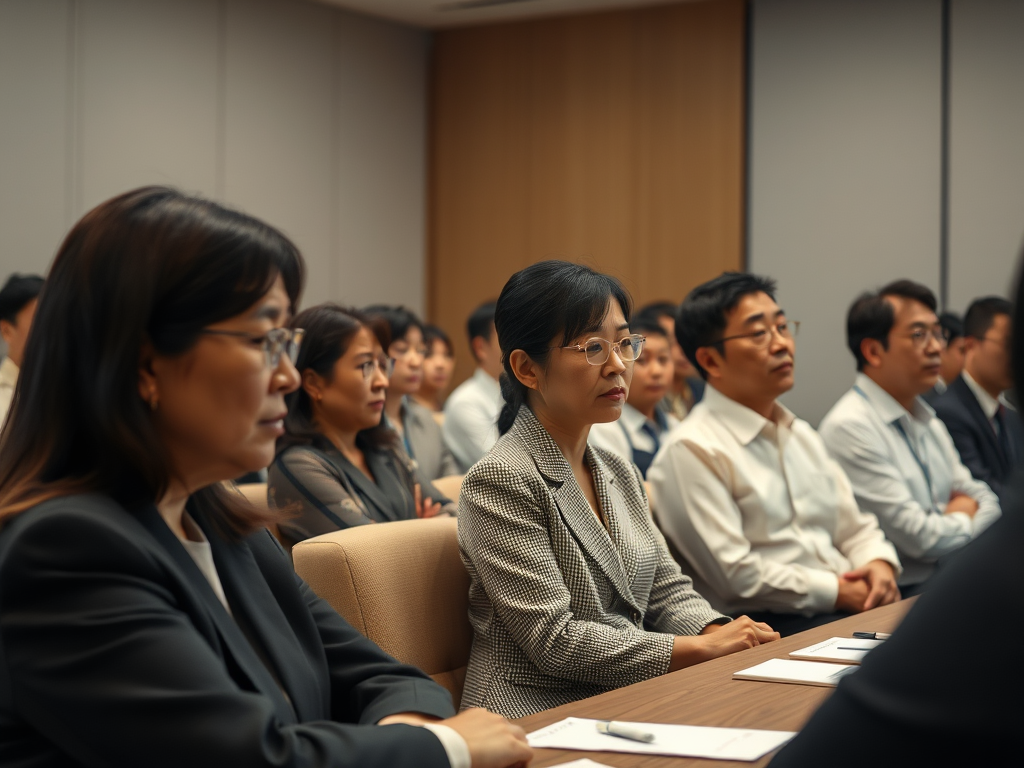
Silence occupies a meaningful and respected place in Japanese communication. It does not necessarily indicate confusion or disengagement. Often, silence reflects careful thinking, respectful listening, or polite disagreement. In meetings, extended pauses are common and socially acceptable.
Foreign communicators frequently misinterpret silence as a communication breakdown and attempt to fill it hastily. In the Japanese context, however, such interruption may be perceived as impatience or emotional immaturity. Learning to remain comfortable with silence demonstrates emotional discipline, respect, and cultural intelligence.
Indirectness and Politeness in Speech
Direct confrontation is generally avoided in Japanese interaction. Communication is shaped by politeness, indirectness, and consideration for the other party’s dignity. Rather than explicitly stating disagreement, speakers often use softened expressions such as “this may be difficult,” or “we might need to consider another perspective” or “I will think about it”.
This indirect style serves to protect face and preserve group harmony. Even when problems are serious, the language used remains measured and deferential. A careful choice of words is not a sign of uncertainty, but rather an indication of social competence and professionalism.

Honne and Tatemae: Reading the Hidden Message
A fundamental concept in Japanese communication is the distinction between honne (true feelings) and tatemae (public stance). In many interactions, especially formal ones, individuals express tatemae to maintain harmony and avoid discomfort for others. Consequently, the spoken message may not fully reflect the speaker’s actual position.
Understanding this distinction requires attentiveness to subtle cues such as shifts in tone, hesitation, eye movement, or vague responses. Phrases like “we will think about it” often function as a gentle rejection rather than a literal indication of future consideration. Effective communication therefore depends as much on interpretation as on expression.
Respect Expressed Through Behaviour
In Japanese society, respect is communicated more through conduct than through words. Punctuality is strictly associated with reliability and integrity. Thorough preparation signals responsibility. Conservative attire reflects seriousness and professionalism. Addressing others using proper titles and family names demonstrates social awareness.
Interrupting, arriving late, or appearing unprepared can silently damage one’s credibility, regardless of linguistic proficiency. Even fluent Japanese speakers may fail to build trust if these behavioural expectations are not met.
Communicating in Japanese Meetings
Japanese meetings are typically characterised by brevity in speech, attentiveness in listening, and sensitivity to group dynamics. Participants avoid dominating discussions and remain aware of both hierarchical and collective considerations. Decisions are rarely made immediately and often emerge through consensus-building, sometimes outside the formal meeting room.
Foreign professionals are often surprised to discover that more candid opinions are expressed in informal settings after work. This reflects the ongoing balance between public harmony and private honesty that defines high-context interaction in Japan.
Common Pitfalls for Foreign Communicators
Many communication difficulties arise when foreigners apply low-context habits in a high-context environment. Excessive bluntness, emotional display, repeated questioning for immediate clarity, or pushing for rapid decisions can all be perceived as social pressure or insensitivity. These actions disrupt harmony and may lead to polite avoidance rather than open engagement.

The Essential Principle of Japanese Communication
At its core, effective communication in Japan rests on a single guiding principle – how something is conveyed is often more important than what is conveyed.
Successful interaction requires:
- Cultural sensitivity
- Emotional restraint
- Careful observation
- Patience with ambiguity
- Deep respect for social harmony
By aligning words, body language, and silence in a balanced manner, one not only communicates accurately but also earns trust and long-term relational credibility.
 Quality From Classroom to Our Life
Leave a comment