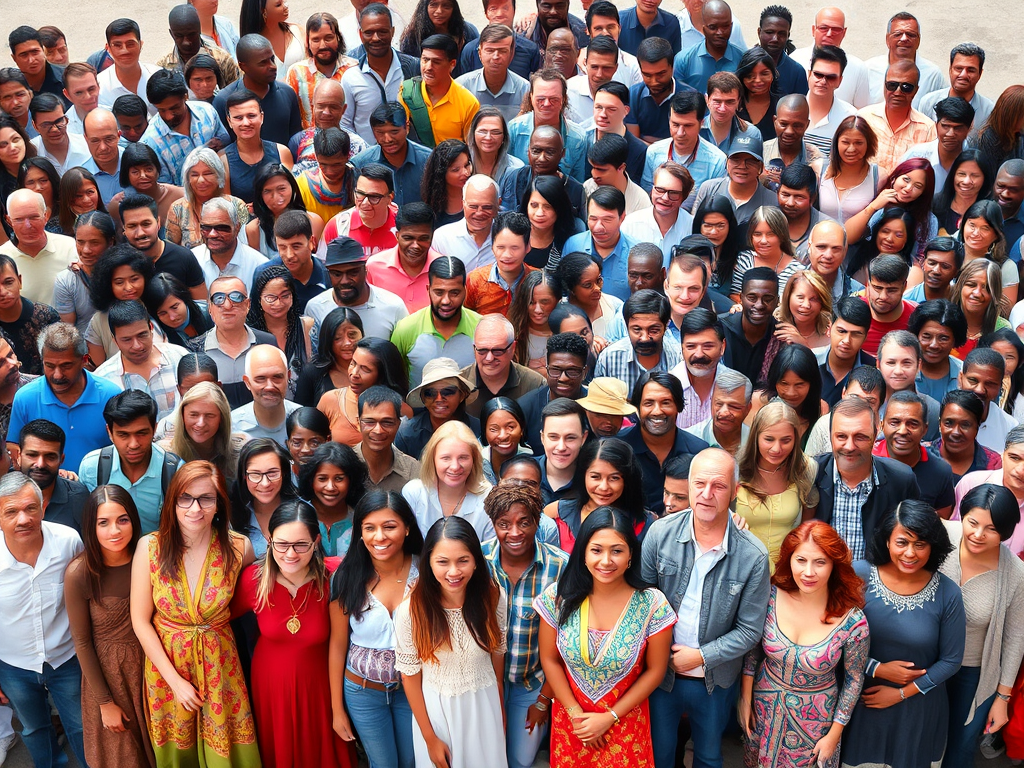
People are different due to a combination of biological, environmental, social, and psychological factors. These differences manifest in physical characteristics, personalities, beliefs, behaviors, and life experiences. Here’s an exploration of why these differences exist:
1. Biological Factors
- Genetics: Each person inherits a unique combination of genes from their parents, influencing physical traits (e.g., height, skin color) and even predispositions to certain behaviors or talents.
- Brain Structure and Function: Variations in brain chemistry and neural connections can affect how people think, feel, and behave.
- Hormonal Differences: Hormones influence emotions, energy levels, and responses to stress, contributing to individuality.
2. Environmental Influences
- Family and Upbringing: The values, traditions, and parenting styles experienced during childhood shape personality and worldview.
- Education: Access to and type of education influence knowledge, skills, and perspectives.
- Cultural Background: Cultural norms, languages, and traditions shape behavior, communication styles, and preferences.
- Socioeconomic Status: Opportunities and challenges associated with wealth or poverty affect life experiences and development.
3. Social and Psychological Factors
- Social Interactions: Relationships with family, friends, and society play a critical role in shaping identity and behavior.
- Personal Experiences: Unique life events, successes, and failures shape how individuals view the world and respond to challenges.
- Personality Traits: Traits like introversion, extroversion, openness, and conscientiousness differ among individuals, influencing their preferences and decisions.
- Mental Health: Psychological well-being affects thought patterns and behaviors.
4. Evolutionary and Adaptive Reasons
- Survival and Adaptation: Differences in skills, talents, and perspectives within a group can improve collective problem-solving and survival.
- Genetic Diversity: Diversity in the human gene pool increases resilience to diseases and adaptability to environmental changes.
5. Philosophical and Spiritual Perspectives
- Free Will and Choice: Some philosophical viewpoints suggest that individual choices and actions contribute to differences among people.
- Spiritual Beliefs: Many traditions believe that differences in people are part of a divine or natural design, promoting growth, learning, and harmony.
6. Epigenetics and Interplay of Factors
- Gene-Environment Interaction: How a person’s genes are expressed can be influenced by their environment, leading to variations even among individuals with similar genetic makeup (e.g., identical twins).
- Dynamic Life Changes: As people grow and experience new situations, they continuously evolve, adding to their uniqueness.
In essence, human diversity is a complex and dynamic result of numerous interacting factors, each contributing to the rich tapestry of individuality that defines humanity.
 Quality From Classroom to Our Life
Leave a comment