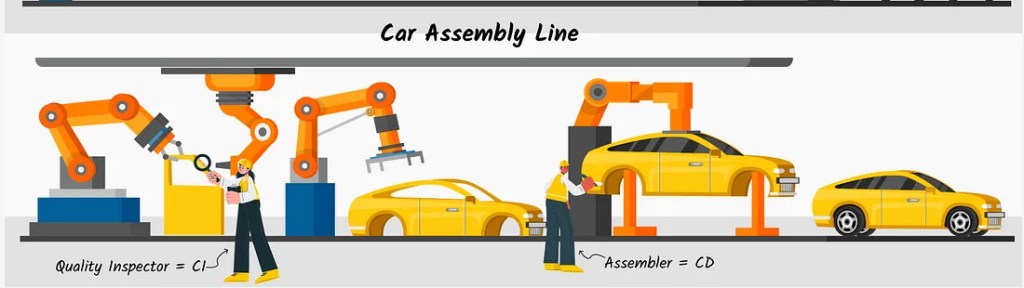
Kaizen, a Japanese term meaning “continuous improvement,” plays a crucial role in the efficiency and success of an automotive parts factory. By focusing on incremental changes rather than large-scale overhauls, Kaizen encourages workers at all levels to identify areas for improvement in their daily operations. This results in better quality, reduced waste, and enhanced productivity, which are essential in the highly competitive automotive industry.
For example, implementing Kaizen in an automotive factory could involve workers suggesting small modifications to assembly processes, such as reorganizing tools to reduce movement or adjusting workstation layouts to improve ergonomics. These seemingly minor changes can significantly reduce production time and enhance worker satisfaction, leading to fewer mistakes and higher-quality parts.
Another example could be addressing machinery maintenance. By adopting a Kaizen approach, workers are encouraged to monitor equipment regularly, identifying potential issues before they escalate into costly breakdowns. This proactive attitude ensures that machinery runs efficiently, minimizing downtime and maintaining a steady production flow.
In summary, Kaizen fosters a culture of continuous improvement, empowering employees and optimizing operations. For an automotive parts factory, this philosophy is indispensable for maintaining high standards, improving efficiency, and staying competitive in a demanding market.
Kaizen Examples in Body Assembling of a Car
1. Kaizen in Methods
- Standardized Work Instructions: By reviewing and refining the work instructions for body assembly, repetitive and unnecessary actions can be removed, improving efficiency and consistency in assembly.
- Ergonomics Improvement: Workers may suggest adjustments to reduce strain, such as re-positioning tools or adjusting assembly heights to reduce physical effort and avoid long-term injuries.
- 5S Implementation: Implementing the 5S methodology (Sort, Set in order, Shine, Standardize, Sustain) in the assembly area reduces clutter, improves workspace organization, and enhances workflow.
2. Kaizen in Equipment
- Tool Optimization: Workers may propose upgrades or adjustments to tools, like switching to lighter or more ergonomic tools that reduce operator fatigue and increase precision in assembly tasks.
- Preventive Maintenance: Regular check-ups and fine-tuning of robotic welding machines and other equipment prevent unplanned downtime and keep assembly lines running smoothly.
- Automatic Sensor Upgrades: Installing sensors that can detect misalignments during assembly can automatically adjust equipment, reducing defects and ensuring that each part is accurately aligned.
3. Kaizen in Processes
- Cycle Time Reduction: Small adjustments in timing during body assembly, such as optimizing the speed of robotic welders, can shave seconds off the process, increasing overall efficiency without sacrificing quality.
- Just-in-Time (JIT) Parts Delivery: Adjusting the timing and flow of parts delivery to match the assembly sequence ensures that parts arrive exactly when needed, reducing inventory holding costs and avoiding bottlenecks.
- Defect Tracking and Elimination: Implementing a feedback loop where workers log defects in real-time allows the team to identify recurring issues and correct process errors before they escalate.
These examples demonstrate how Kaizen can improve the methods, equipment, and processes in car body assembly, fostering continuous improvement and operational excellence. If you want need any help to kaizen in car manufacturing plant , feel free to contact me at : @_shariyusof@gmail.com or find me in LinkedIn Sha’ri Yusof
 Quality From Classroom to Our Life
Leave a comment