Attending university or college with the intention of getting a degree is a daunting and difficult for many people. Why? I think when the intention to study is only for getting grades and the scroll, then you will be less motivated to really study for the real purpose which is ‘survival’ in life in general and ‘useful knowledge and skills’ for work or as entrepreneur. Studying Mathematics is very easy when you realized how the knowledge help solve your problems such as for analysing buying or leasing your equipment, determining make or buy decisions of parts used in production process, and forecasting models in businesses. And of course teachers/ professors want to test your level of achievement in learning through mainly exams, which will allow the professor to give a grade you deserve based on your abilities to explain, to analyse, to evaluate, and other active outcomes of the concepts, techniques, systems, concepts, etc.
So, how to prepare for exams?
- No other way than to CONCENTRATE in class when you take any class – because if you have not attended the class and see the problem in class earlier then you will be at a disadvantaged. I always say, if you don’t understand when you attend class, you still can recall back what the lecturer said during revision. But, for those who skipped or missed class, they are in the category of ‘WAKARANAI’ times ‘WAKARANAI’ equals ‘WAKARANAI SQUARED’ (Don’t understand to the power of 2). So, the first TIP is not to miss class, especially those major courses/subjects or challenging courses/subjects in the program. For example for Degree in Industrial Engineering program, the course Applied Statistics is MUST understand and must attend status. It becomes pre-requisite for the other courses such as Simulation, Systems Analysis, or Operational Research which may affect future achievements. So, getting it right first time is compulsory. Before thinking about exams – please attend class first.
- For each lecture, do a small revision after every class to check your level of understanding and to do all the assignments or exercises/discussions at end of the chapters (if using book). If not find a suitable book that you can read, and answer questing at end of chapter. Or any other forms of revision, and this is followed by peeping into the next chapter or topic to be studied next class. See the connection between the previous topics with the next topic, and do this for the whole semester. Once you see the connection between earlier topics and the later topics, then you will be able to have better coordination and able to summarise based on your overview and helicopter view as the module/subject progresses. In short, REVISE – PREPARE NEXT
- Having done these things, you can now talk about exams, Final Exams depends on the subject and the professor. Look at previous exam questions and try to analyse his format for exam, does he cover the whole book or whole topics for the semester? Will he give or ask questions from only selected topics or certain weeks say second half of the semester topics. Look at the level of difficulty this professor gives. This will set up your SCOPE of topics to focus and concentrate. Some of the definitions used throughput the subject probably need some memorizing, but more to understanding the concepts will be better. When you study for exams for ‘Essay / Structured Short Answers’ you need to write short notes while revising. Writing down what you try to read and remember is better than not writing down anything what you are doing revision. If you have access to past year exam questions on essay question, say “Explain the major differences between A and B’ and give one example each”, try to answer and write down how you would answer. Strategies to answer and understanding the concepts are much better than ROTE MEMORIZING the ‘answer’ scheme. REVISE, PRACTICE with STRATEGIES TO ANSWER
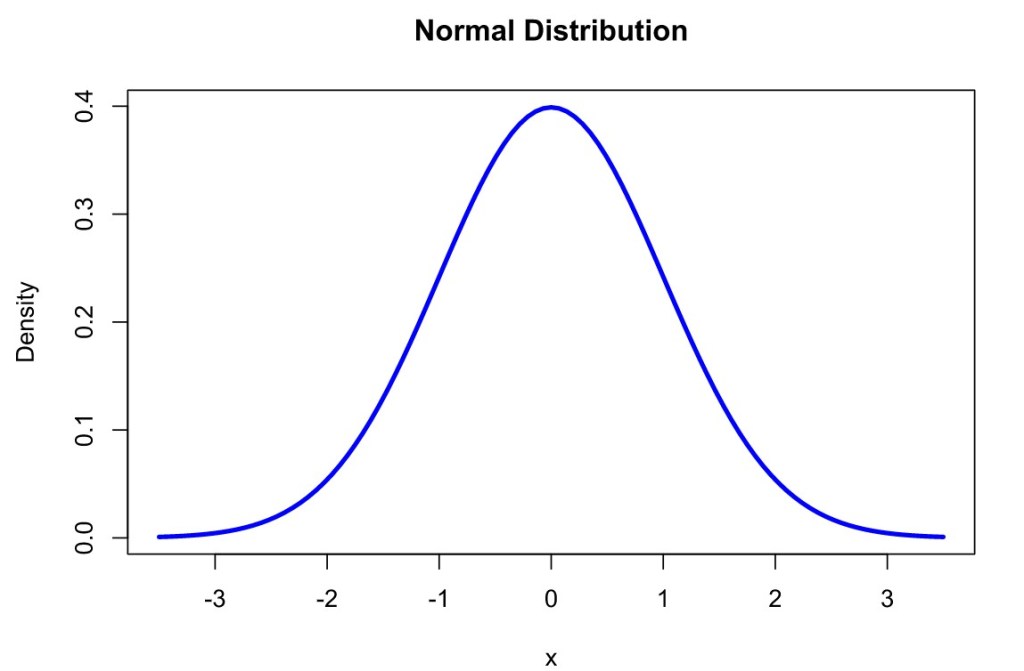
- For calculation questions, there is no other way than to remember or at least know to find the formulas, know when to use the formulas, and what method for the specific situation. If the question is at the level of evaluation, analytical, you really have to put on your thinking cap, to think hard what is needed (probably drawing the problem such as Normal distribution with sigma, mu, ) and visualise what the question really want you to demonstrate. Remember, that the professors want to check whether learning has occurred and you must show your abilities through correct steps, and procedures. May be you did not get to the answer, or you may have wrongly calculated, but if the steps are correct, then the professor will surely give you marks for your understanding.
SUMMARY
Studying for exam is just one component of the learning process. The most important is to gain knowledge to be able to apply them in your life – whether work or daily life.
GANBATTE KUDASAI. GOOD LUCK
 Quality From Classroom to Our Life
Leave a comment